


About Pawhuska Municipal Airport
Pawhuska Municipal Airport (H76) is more than a gateway to Osage County—it is a gateway to one of the most significant aviation stories in American history and a launching point for the next generation of aerospace innovation. Located just west of historic Pawhuska, the airport serves visitors, business travelers, pilots, and aviation enthusiasts exploring the cultural heritage, natural beauty, and economic opportunities of northeastern Oklahoma.
Since opening in 1945, Pawhuska Municipal Airport has provided vital air access to the region while connecting travelers to the heart of the Osage Nation, the Tallgrass Prairie Preserve, and the rolling hills that define Oklahoma's Green Country. Today, the airport continues its mission of serving general aviation while building a vision for the future of flight.
Where the Oil Boom Met Aviation.
The discovery of Osage County’s Burbank Oil Field in May 1920 helped transform the region into one of the centers of America’s oil boom. By 1926, the field was producing more than 103 million barrels of oil annually, attracting ambitious wildcatters, entrepreneurs, and major petroleum companies to the region. The race to secure valuable oil leases also helped accelerate the use and development of aircraft by companies such as Skelly Oil and Phillips Petroleum. In an era when reaching landowners and leaseholders first could mean securing a valuable drilling agreement, airplanes offered oilmen a powerful competitive advantage. In Osage County, the rapid growth of the petroleum industry and the emerging promise of aviation became closely intertwined, helping establish a regional culture of innovation, speed, and exploration.
A Region Connected to Aviation Legends.
Few places can claim a connection to aviation innovation as remarkable as Osage County. During the early 1930s, legendary aviator Wiley Post conducted groundbreaking high-altitude research that would forever change aviation. Flying experimental aircraft equipped with some of the world's earliest pressure suits, Post explored the upper atmosphere over northern Oklahoma and the surrounding region.
These pioneering flights contributed to the understanding of high-altitude flight and atmospheric air currents that would later become essential to modern aviation. Post's work with pressure suits laid the foundation for technologies that eventually enabled advanced military aviation, commercial jet travel, and even human spaceflight. The skies above Osage County played a role in this remarkable chapter of aviation history, linking the region to innovations that transformed how the world travels.
The Legacy of Wiley Post and Will Rogers.
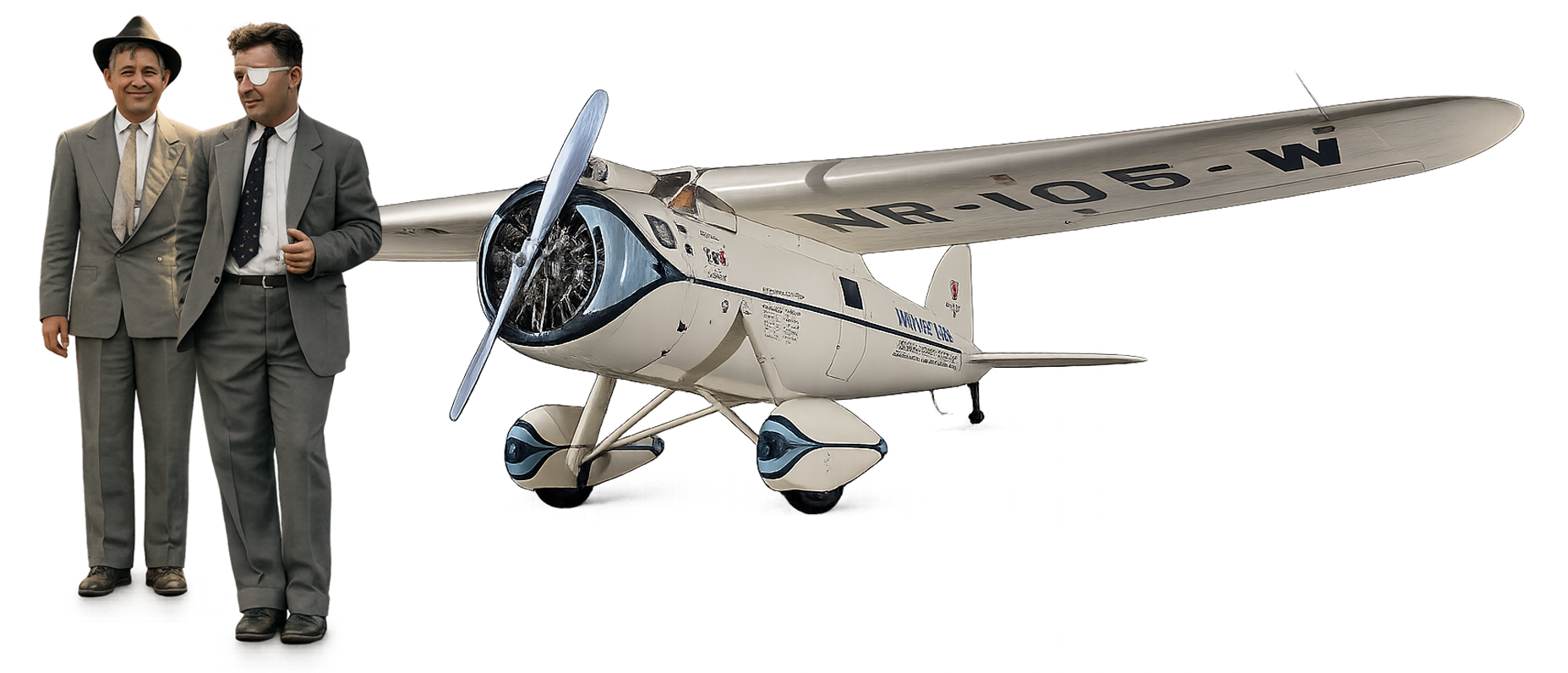
Wiley Post's achievements are closely associated with his friendship with fellow Oklahoman Will Rogers, one of America's most beloved writers, entertainers, and cultural figures. Together, they embodied the spirit of exploration, innovation, and optimism that defined a generation.
Their connection to Oklahoma's aviation heritage continues to inspire visitors and aviators today. The story of Post and Rogers serves as a reminder that curiosity, courage, and a willingness to embrace new ideas can change the course of history.
Building the Future of Aviation.
While honoring its past, Pawhuska Municipal Airport is focused on the future. The airport is pursuing a long-term vision to become a regional center for aviation innovation, workforce development, and emerging aerospace technologies.
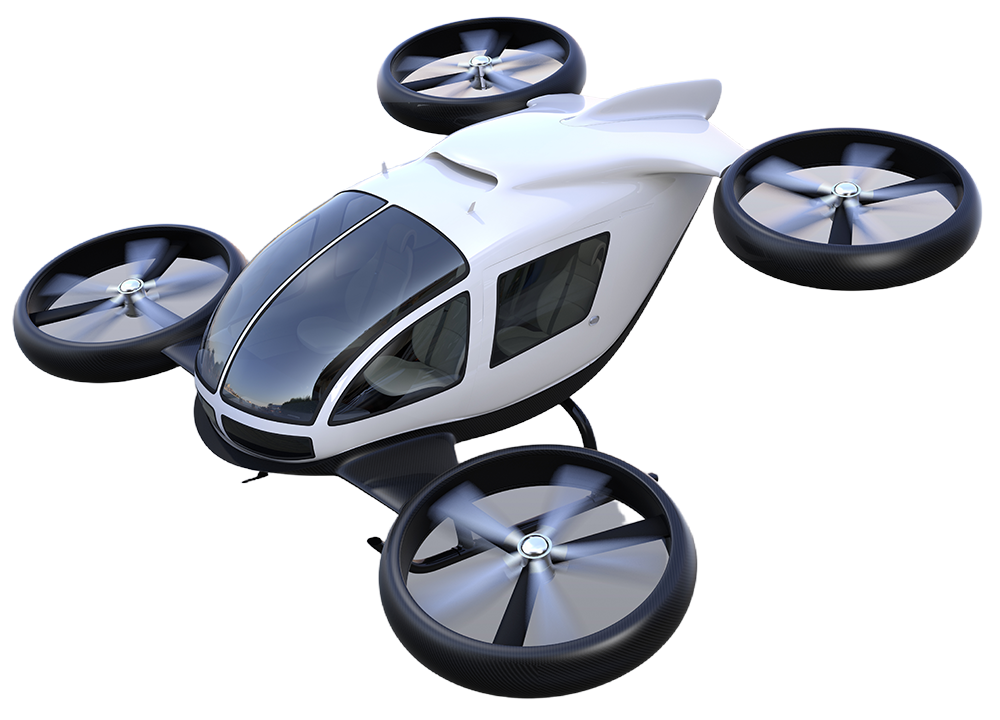
Future objectives include the development of advanced training programs designed to prepare the next generation of aviation professionals for careers in both manned and unmanned aircraft systems. By fostering partnerships among educators, industry leaders, technology companies, and government agencies, the airport aims to support cutting-edge training in aviation operations, aerospace technologies, autonomous systems, flight safety, and advanced air mobility.
As aviation evolves, Pawhuska Municipal Airport seeks to provide an environment where innovation can thrive—creating opportunities for students, entrepreneurs, researchers, pilots, and technology developers who are shaping the future of flight.
Whether you are visiting for business, recreation, heritage tourism, aviation, or educational opportunities, we invite you to discover Pawhuska, experience the beauty of Osage County, and join us as we help shape the future of flight.
HISTORICAL TIMELINE
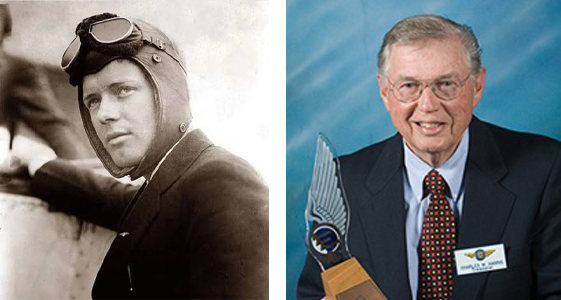
- 1927 – Charles Lindburgh flew over Pawhuska on his 48 State Tour. Pawhuska Airport’s largest financial donor and one of EAA’s most endeared supporters, Charles W. Harris, was born on that same day.
- 1920s-1930s – Aviation activity grows across Osage County as flying becomes increasingly important for transportation, ranching, and business.
- 1930s – Aviation pioneer Wiley Post conducts high-altitude flights over Osage County, helping inspire his later development of pressure suits and advancements in high-altitude flight.
- 1935 – Oklahoma icons Wiley Post and Will Rogers are killed in an aircraft accident in Alaska, forever linking their aviation legacy to communities across Oklahoma, including Pawhuska.
- Mid-1900s – Pawhuska Municipal Airport develops into the primary aviation gateway for Osage County.
- 1950s–2000s – Airport facilities expand and modernize to support business, agricultural, and recreational aviation.
- 2020s – The airport begins a renewed focus on tourism, economic development, and celebrating the aviation legacy of Wiley Post and Will Rogers.
- 2025–Present – Pawhuska Municipal Airport launches major branding, infrastructure, and visitor experience improvements while pursuing a vision for future aviation innovation and education.